Sits the Camera Agains the Wall to Record
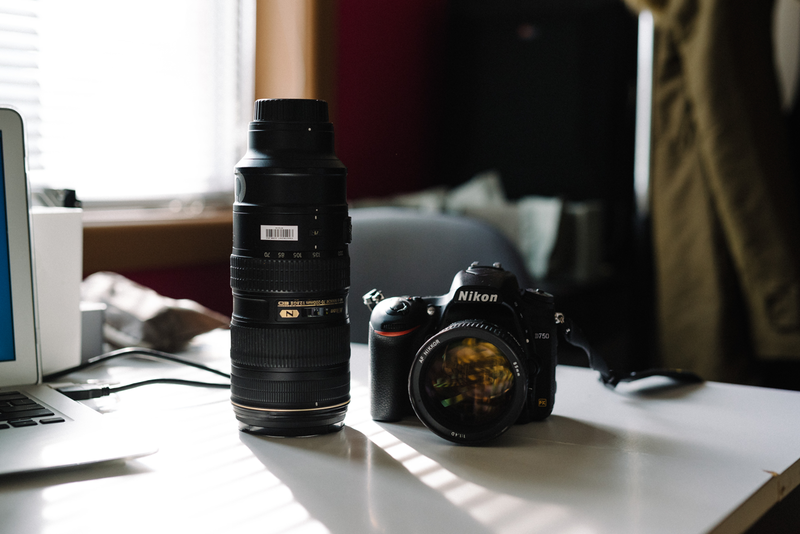
As artists, we spend a ton of fourth dimension perfecting our craft.
And and then, after hours of working on a painting, exhausted and upwards against a borderline, nosotros ofttimes fail the most of import function of the process: photographing the work. Also many of the states are a little lost when it comes to the specifics and settle for a few sloppy shots before shipping the artwork out.
Since artists are required to submit work digitally for exhibitions, grants, talks and your public contour page, expert photography offers the start impression of your fine art and your professionalism.
We frequently run across artists with incredible artwork, merely have images that are shot in dimly lit, sloppy environments that misconstrue the original artwork.
Knowing how to properly photograph your work can hateful the difference betwixt being accepted to a show, or winning the favors of an important client or gallery director.
We put together a few guidelines to photographing your artwork and so you can begin to photograph your artwork like a pro.

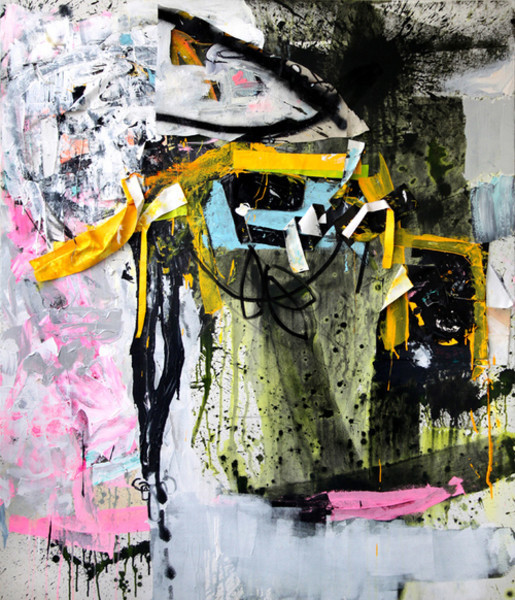 Howard Sherman shows how he documents his work on his Instagram business relationship. On the correct "Edgy Community of Unconventional Types."
one. Hang your artwork on the wall
We regularly see artwork photographed leaned upward confronting a wall and shot from a downwards angle. Find a neutral colored wall (white, black, gray) and hang your piece of work at a meridian where the middle of your slice volition be parallel to where your camera will be —either on a tripod or resting sturdily on a table or other surface.
ii. Calorie-free your work properly
If yous are shooting your work indoors, do so in a room with plenty of windows and natural light. Some artists also enjoy photographing their piece of work outdoors when information technology is cloudy or overcast, as indirect sunlight provides the all-time lighting. Natural light can be a beautiful way to photograph your work as long as it is indirect.
If the weather isn't cooperating, or if you lot are up confronting a late-night deadline, you will demand to set up a lighting kit. The practiced news is, you don't have to spend a ton for a professional person setting if you aren't fix to invest in ane.
All you will need is ii lights at a minimum for 2-dimensional work. We take used lighting stands that you often run across in dorm rooms (the ones with three adjustable bulbs) or clamp lights. Place the lights halfway between the photographic camera and the canvas at a 45-degree angle pointing toward the wall (this will help eliminate shadows and "hot spots" on the painting). If you have umbrellas for your lights, attach them at present.
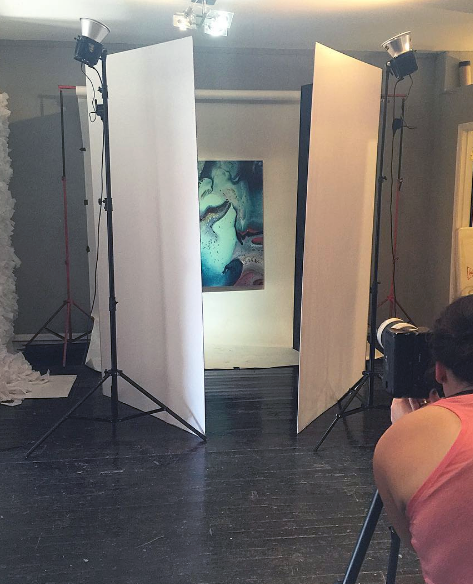

Arthur Brouthers shows how he uses white panels to reflect calorie-free and a finished slice "Slipping II" on his Instagram.
LIGHT HACK: If you don't have professional grade lighting kit, you lot tin can easily hack diffusing the calorie-free with a white canvas or white plastic between the lights and your work. This helps to evenly distribute the calorie-free. Alternatively, a few sheets of white cream cadre can be set to simulate a "raking light" effect where the lights are pointed at the foam core and the whiteboard reflects the low-cal dorsum at the piece.
3. Adjust your camera and settings
One time your artwork is secured to the wall, double check that the camera is set to the lens lines upward with the middle of the painting. You want to position your photographic camera so that the frame is filled with most of the painting, with a bit of background that you tin crop out later. It is important for many juries to see the edges of the paintings to get a sense of scale.
The ISO and aperture of your camera are very important to go clear, crisp and bright images of your artwork. ISO references what moving-picture show speed used to measure out. The higher the number, the more sensitive the film was to light and the coarser the image. In this instance, since we desire very crisp images, nosotros want a depression ISO. Studio shots volition generally be shot at ISO 100.
The f-stop of the aperture of your camera adjusts how much lite is let through the lens by making the opening bigger or smaller. The higher the number, the less light is being passed through. With a DSLR the ideal range for shooting artworks is between f-viii and f-xi.
TIP: Set your camera'due south timer to 4 or 5 seconds and then that pressing the shutter push button doesn't create a shake in your image.

4. Edit your photos to perfection
At that place are plenty of free or inexpensive photo editing software alternatives out there that will help minimize whatsoever inconsistencies. While Photoshop still reigns male monarch, Photoshop Elements or Gimp allow bones functions such as colour correction, cropping, and other minor adjustments. Lightroom too offers a subscription-based editing program that professional photographers swear by.
There are, of course, many additional nuances and tricks that could be added to this initial guide. Still, if you are looking to better your photographs and correspond yourself professionally on your public profile folio, this is a great starting identify.
Source: https://www.artworkarchive.com/blog/4-steps-to-photographing-your-art-like-a-professional
0 Response to "Sits the Camera Agains the Wall to Record"
Post a Comment